The Most Common Causes of Hair Loss in Men and Women — And What You Can Do About It
Hair loss is one of the most common concerns clients experience, affecting both men and women at different stages of life. While shedding some hair daily is normal, noticeable thinning, widening parts, or bald patches often indicate an underlying issue.
Understanding what type of hair loss you’re dealing with is the key to choosing the right supplements, treatments, and professional support.
Below are the most common types of hair loss, what they look like, and how they can be treated.
Recommended Hair Growth Supplements
Book Scalp Microneedling Services at Skin Symphony
Zenluca at Home Hair Growth Products
Androgenetic Alopecia (Hormonal / Pattern Hair Loss)
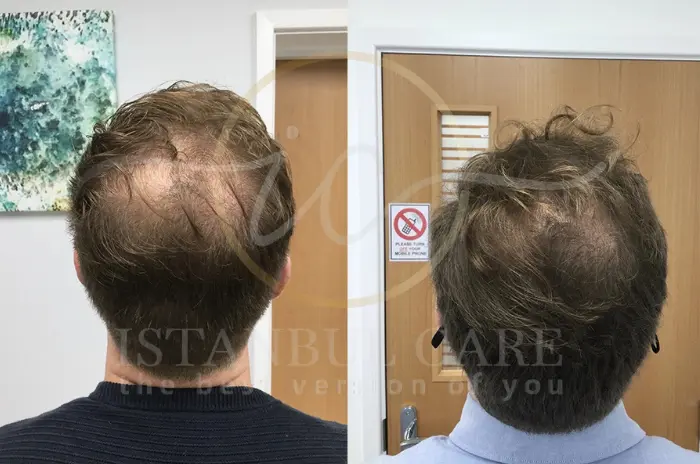


What it is:
Androgenetic alopecia is the most common cause of hair loss in both men and women. It is influenced by genetics and sensitivity to hormones (especially DHT). Hair follicles gradually shrink, producing thinner and shorter hair until growth stops altogether.
What it looks like:
- Receding hairline (men)
- Thinning at the crown
- Widening part (women)
- Overall thinning on top of the scalp
- Hair becomes finer over time
Supplements that may help:
- Biotin
- Zinc
- Iron (if deficient)
- Vitamin D
- Marine collagen
- Saw palmetto
- Omega-3 fatty acids
Professional and clinical treatments:
- Microneedling of the scalp
- Low-level laser therapy (LLLT)
- PRP (platelet-rich plasma)
- Topical minoxidil
- Prescription anti-androgen medication (when appropriate)
Lifestyle support:
- Stable blood sugar levels
- Adequate protein intake
- Stress management
Telogen Effluvium (Stress-Related Hair Shedding)
What it is:
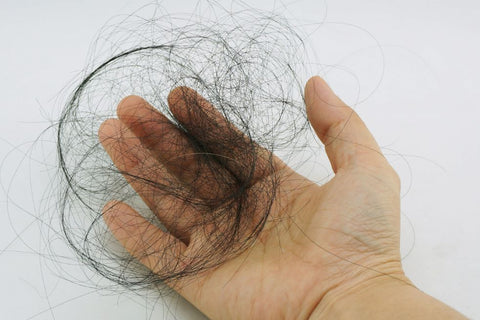
Telogen effluvium occurs when the body experiences physical or emotional stress, pushing more hair follicles into the shedding phase of the growth cycle. This typically happens 2–3 months after the trigger.
Common triggers include:
- Illness or surgery
- Hormonal changes
- Rapid weight loss
- Nutrient deficiency
- Emotional stress
- Post-pregnancy hormone shifts
What it looks like:
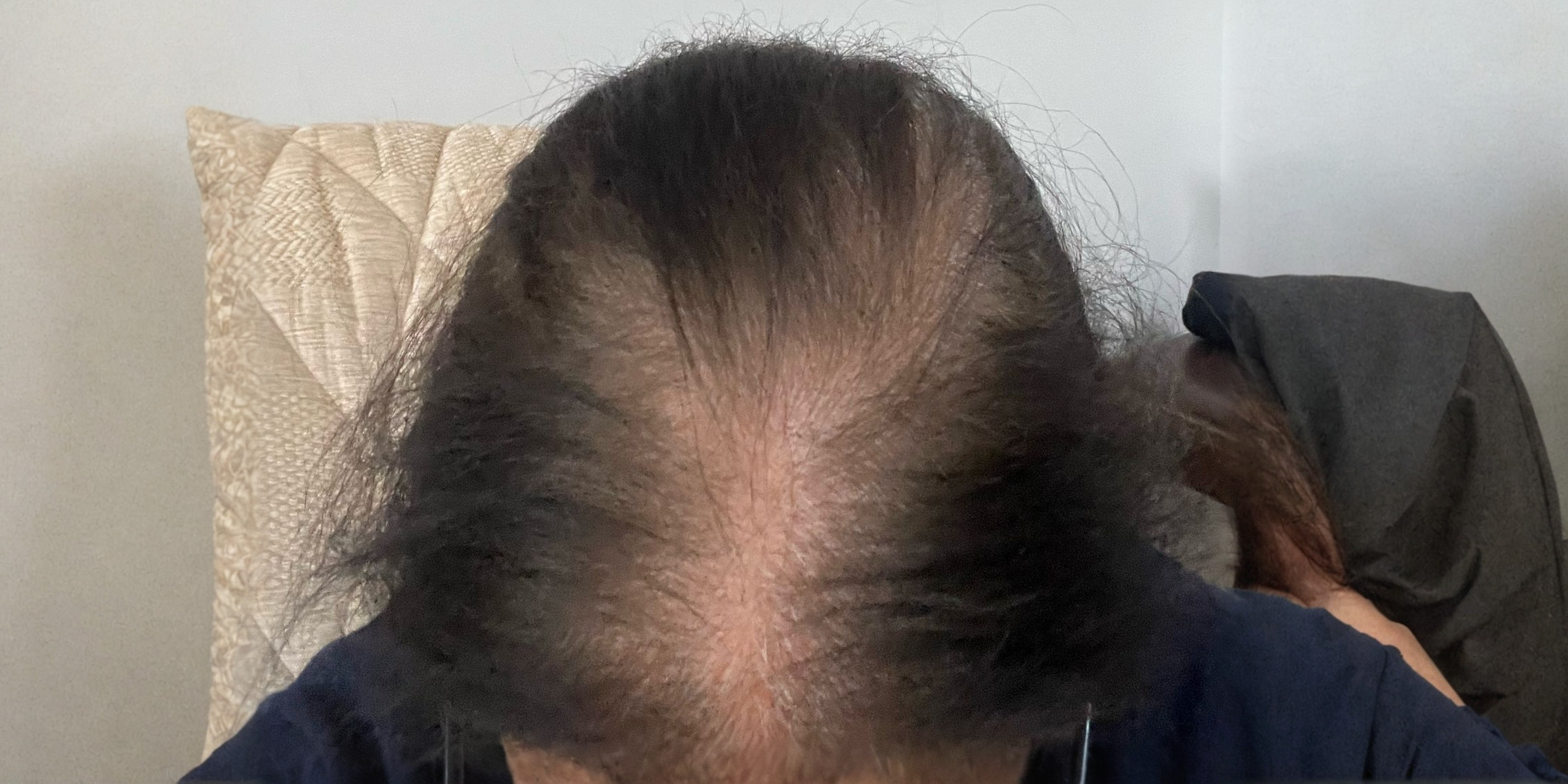
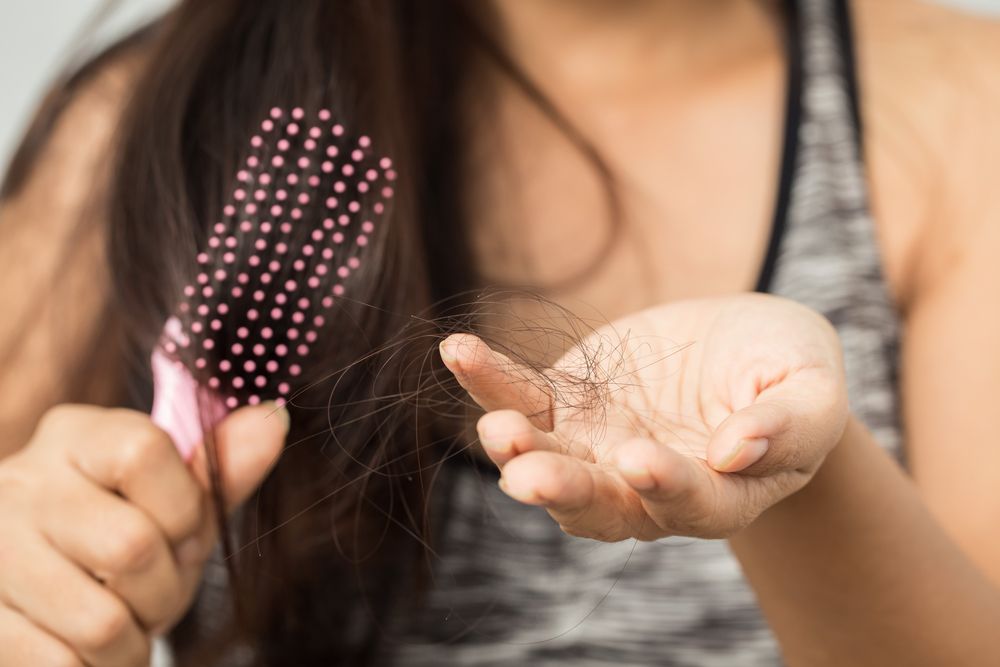
- Sudden increase in hair shedding
- Hair falling out in the shower or brush
- Thinner ponytail
- Diffuse thinning across the scalp
- Hairline usually remains intact
Supplements that may help:
- Iron (if low)
- Vitamin D
- B-complex vitamins
- Magnesium
- Collagen peptides
- Adaptogens (ashwagandha, rhodiola)
Treatments:
- Scalp microneedling
- Gentle scalp stimulation
- Red-light therapy
- Nutritional correction
In most cases, hair regrowth begins once the underlying cause is addressed.
Alopecia Areata (Autoimmune Hair Loss)


4
What it is:
Alopecia areata is an autoimmune condition where the immune system mistakenly attacks hair follicles. It can appear suddenly and sometimes resolves spontaneously.
What it looks like:
- Smooth, round bald patches
- Sudden onset
- Possible eyebrow or beard loss
- Regrowth may appear white initially
Supplements that may help support the immune system:
- Vitamin D
- Zinc
- Omega-3 fatty acids
- Curcumin
- Probiotics
Medical treatments:
- Corticosteroid injections or creams
- Immunotherapy
- Dermatology-led treatment plans
This type of hair loss should always be assessed by a medical professional.
Nutritional Deficiency Hair Loss
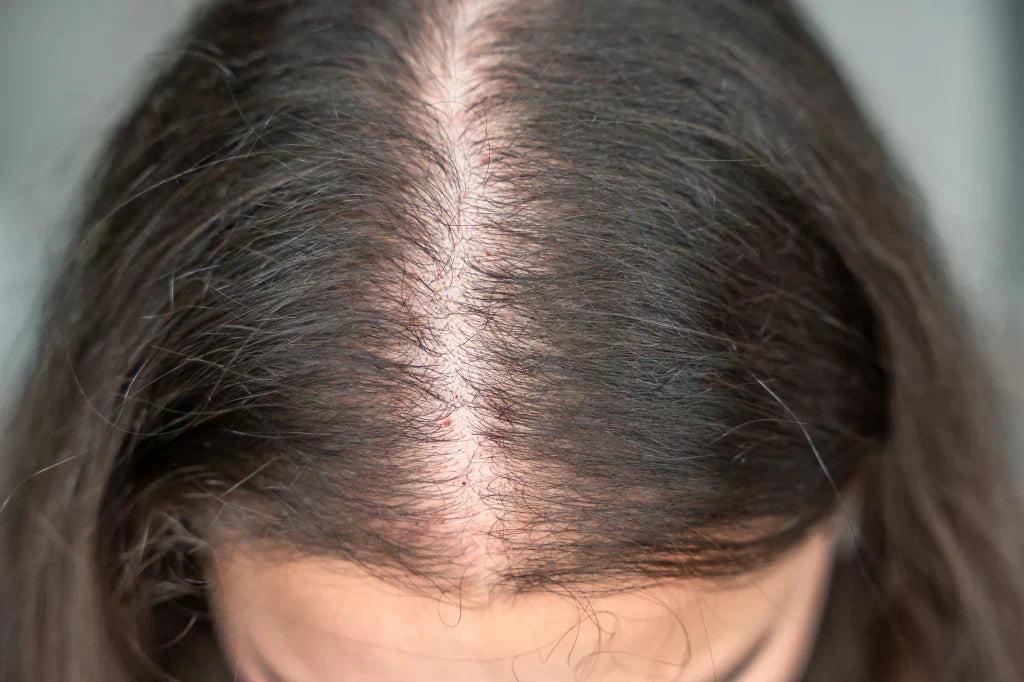


What it is:
Hair growth requires significant nutritional resources. When the body lacks key nutrients, hair growth slows and shedding increases.
Common deficiencies linked to hair loss:
- Iron
- Protein
- Zinc
- Vitamin D
- B12
What it looks like:
- Hair thinning and dullness
- Breakage
- Slow growth
- Increased shedding
Helpful supplements:
- Iron (if deficient)
- Protein powder or amino acids
- Zinc
- Vitamin D
- Collagen peptides
Supportive treatments:
- Scalp massage
- Microneedling
- Improving diet quality
Blood testing is often helpful to identify deficiencies.
Scalp Microneedling for Hair Regrowth
A results-focused treatment designed to stimulate hair follicles, improve scalp circulation, and support healthy hair growth.
This treatment is ideal for:
- Thinning hair
- Post-stress shedding
- Hormonal hair loss
- Weak or slow-growing hair
- Early-stage pattern hair loss
Microneedling creates controlled micro-channels in the scalp, triggering the body’s natural repair response and improving follicle function.
For best results, a course of 6–8 treatments spaced 2–4 weeks apart is recommended.
Available at Skin Symphony.
Final Thoughts
Hair loss is rarely random — it is usually the body communicating that something needs attention. The earlier the cause is identified, the more successful treatment tends to be.
In many cases, combining internal support (nutrition and supplements) with external treatments (scalp therapy and clinical procedures) produces the best results.
For clients experiencing hair loss, a personalised plan that considers hormones, stress levels, nutrition, and scalp health is essential.